
When selecting antistatic or conductive sheet for thermoformed packaging, start with the electrical specification and the conditions the finished tray must withstand. The material name alone does not establish suitability.
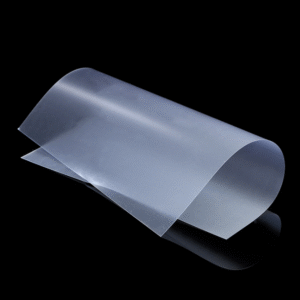
1. Define the Electrical Requirement
Specify the required range, measurement method, unit, conditioning requirements and acceptance limits. Antistatic, dissipative and conductive requirements depend on the application. Do not assume that one range is suitable for every component or packaging system.
2. Compare Built-in and Surface-Coated Materials
Built-in functionality is incorporated into the material. A surface coating provides its function at the treated surface and may be affected by substantial stretching during forming. Compare actual grades after your forming process and at the most stretched areas.
3. Choose PP, PET or Conductive PP
- Built-in antistatic PP sheet for polypropylene thermoforming applications.
- Heat-resistant antistatic PET sheet where PET and the selected thermal performance meet the packaging requirements.
- Conductive PP sheet where the application calls for a conductive material.
4. Validate Temperature and Forming Conditions
Yuanle’s heat-resistant antistatic PET was tested as empty thermoformed trays at 82°C for 24 hours in a third-party laboratory, with no deformation under the tested conditions. Conductive PP high- and low-temperature test information is available for 90°C and −40°C conditions; request the duration and evaluation criteria.
These tests do not establish every loaded-tray application. Validate the grade, thickness, geometry, exposure time and load for your process. Chemical resistance, outgassing and cleanroom use need their own specifications and evidence.
5. Request Samples and Grade-Specific Data
Send your electrical target, sheet dimensions, forming depth, temperature exposure and estimated quantity. Contact Yuanle for material recommendations and sample arrangements.